Welcome to Oar Park! Quatro Vista's Coastal Sanctuary!
Your Mobile Field Guide to Oar Park
Utila is a magical place where thick, green jungles meet the sparkling Mesoamerican Barrier Reef. When you walk down our coastal nature trail at Oar Park, you are stepping into a vibrant natural sanctuary where land animals and sea creatures live right next door to each other.
💡 Tip: Screenshot this page to keep it handy while you explore the trail!
🌿Island Plants (Flora)
To survive right next to the salt water and intense sun, our coastal plants have evolved some amazing survival skills. They create the beautiful tropical canopy that paths the way through Oar Park.
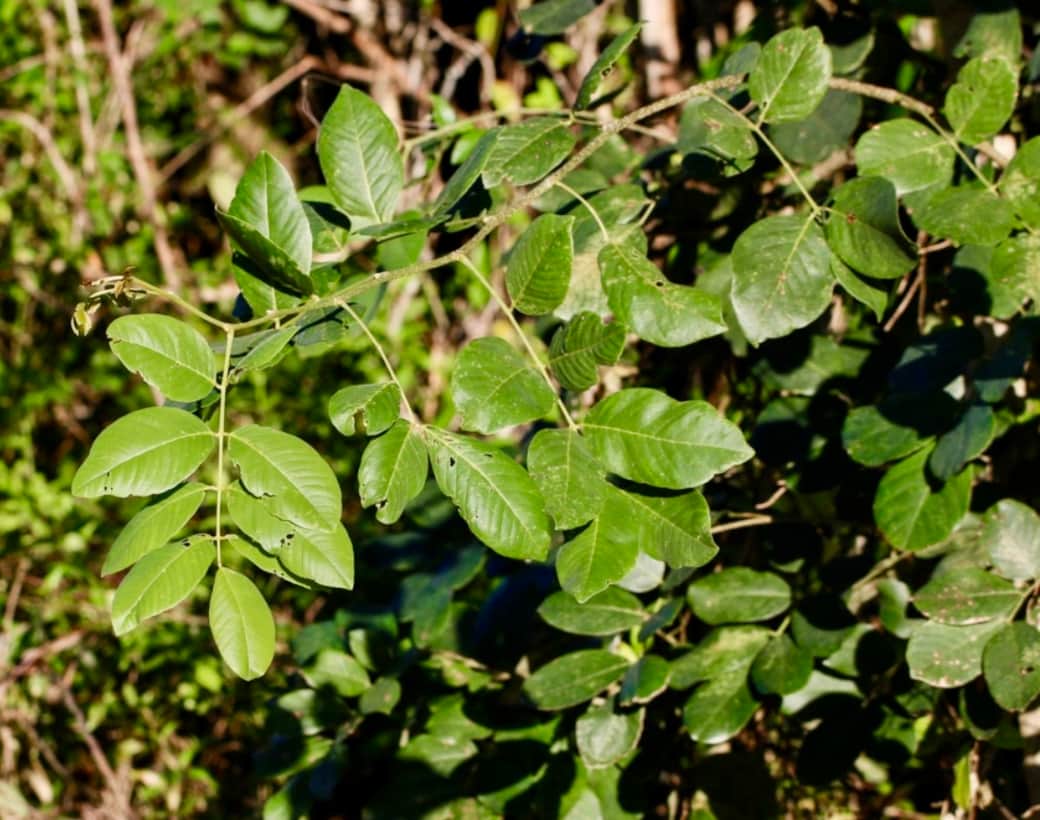
The Jamaican Dogwood Tree
This resilient, salt-tolerant native is a true coastal survivor. While it puts on a beautiful display of white and lavender pea-like flowers in the spring, its most legendary traits are hidden right in its bark and wood.
- A Natural Oar Maker: The wood of the Jamaican Dogwood is famously heavy, fine-grained, and incredibly resistant to rot. Because it holds up so well against saltwater, traditional coastal carvers highly prized it for fashioning durable boat oars—making it a perfect spiritual namesake for Oar Park!
- The "Fish-Fuddle" Tree: Historically, indigenous cultures discovered that the bark and roots contain natural, biological compounds that temporarily interrupt a fish's ability to take in oxygen. When crushed leaves were dipped in quiet pools, the fish would peacefully float to the top "befuddled" for easy harvesting, waking up unharmed shortly after.
- Paper Lantern Pods: Following its spring bloom, the tree produces unique, four-winged seed pods. These lightweight, papery structures act like tiny sails, allowing the coastal breezes to disperse the seeds effortlessly across the sandy terrain.
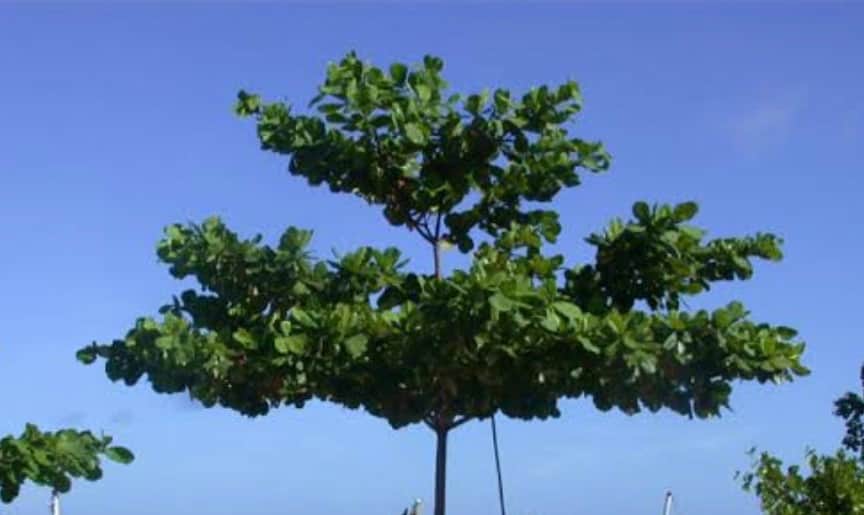
The Caribbean Almond Tree
This fast-growing tree is a defining feature of our shoreline. Even though its tasty nut looks and tastes like a regular almond, it is actually a totally different tropical species.
- The Pagoda Shape: It grows in a highly predictable, geometric layout. The trunk shoots up, stops, and throws out a perfectly flat wheel of horizontal branches. This creates a beautiful stacked look that provides deep, cool shade over the sand.
- Tropical Autumn: While most tropical trees stay green all year, the Caribbean Almond's broad leaves turn bright shades of gold, orange, and fiery red once or twice a year before dropping.
- Built-in Life Jackets: The tree drops tough, football-shaped seed pods. The outside husk is light and corky, acting like a life jacket so the seeds can float on ocean currents to sprout on new beaches.
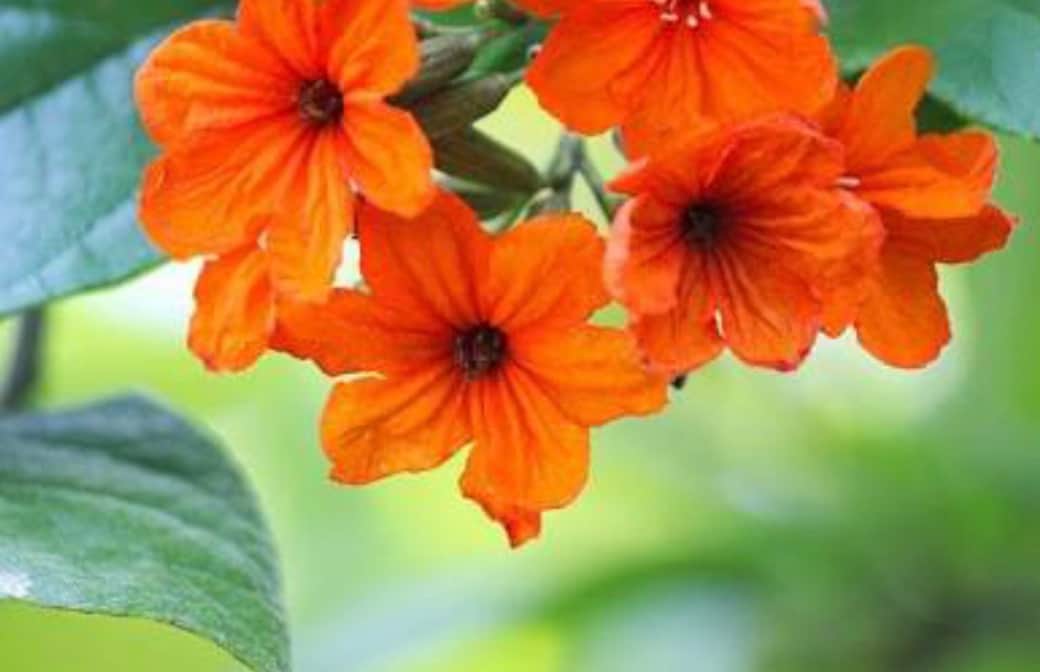
Geiger Trees
A stunning coastal native that grows clusters of bright, trumpet-shaped orange flowers. Its leaves feel rough like sandpaper, which helps protect them from the salty sea breezes.
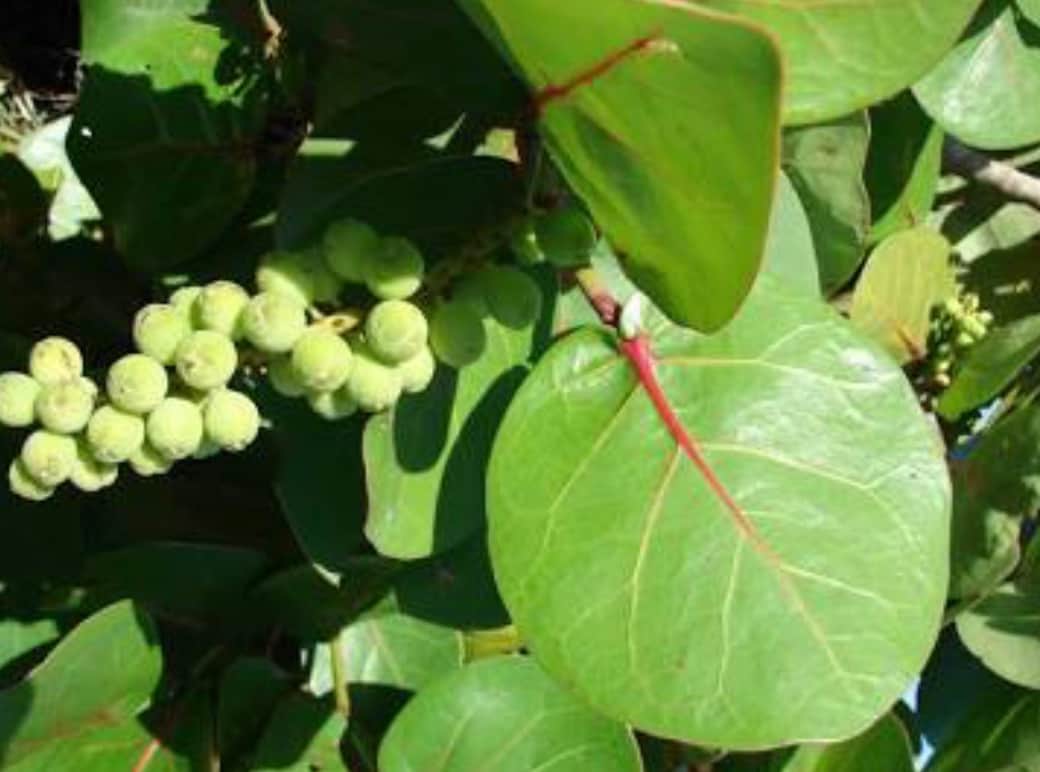
Sea Grapes
The ultimate beach-frontier plant. It features large, totally round, leathery leaves with bright red veins. It grows hanging clusters of green, grape-like fruits that turn a deep purple when they ripen.
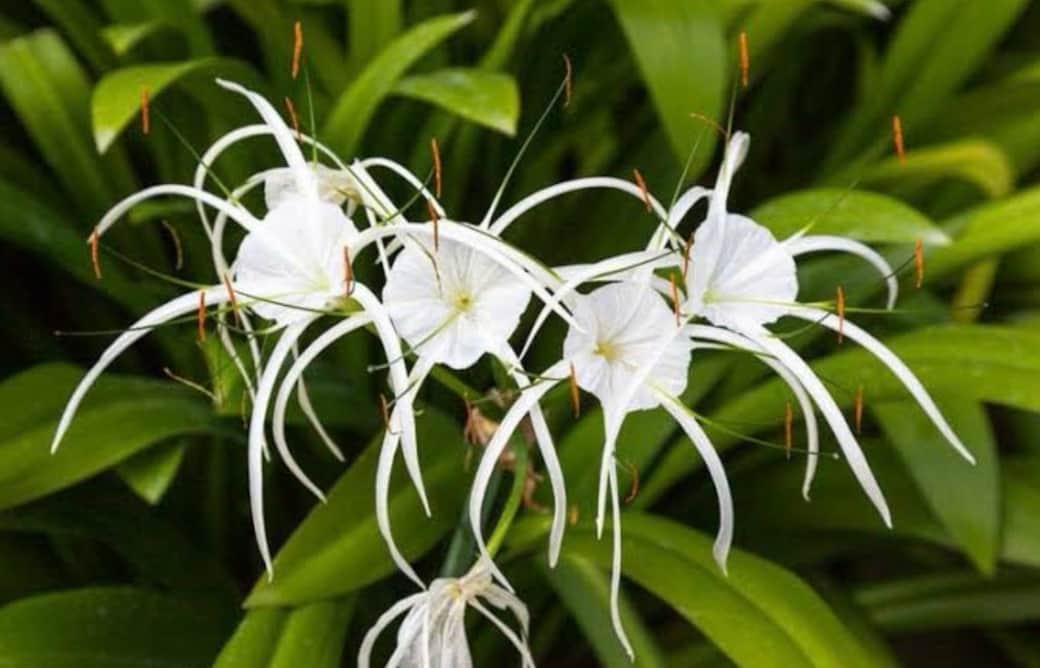
Beach Spider Lilies
Nestled in the damper, shaded pockets of Oar Park, these hardy plants show off delicate, white flowers with long, ribbon-like petals that look like exotic starbursts resting on glossy green leaves.
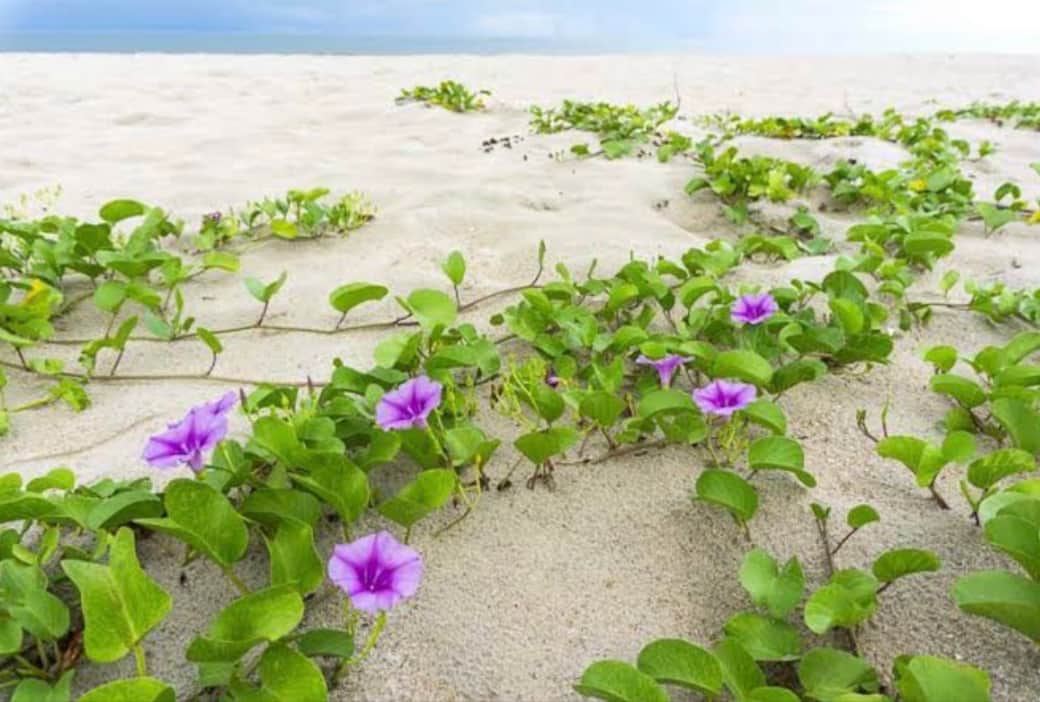
Beach Morning Glory & Sea Purslane
These are low-lying, salt-tolerant plants that creep right across the sand. By weaving a thick green mat and sending down deep roots, they act as a natural anchor that holds the beach in place and prevents coastal erosion during storms.
🪸Coral & Shallows
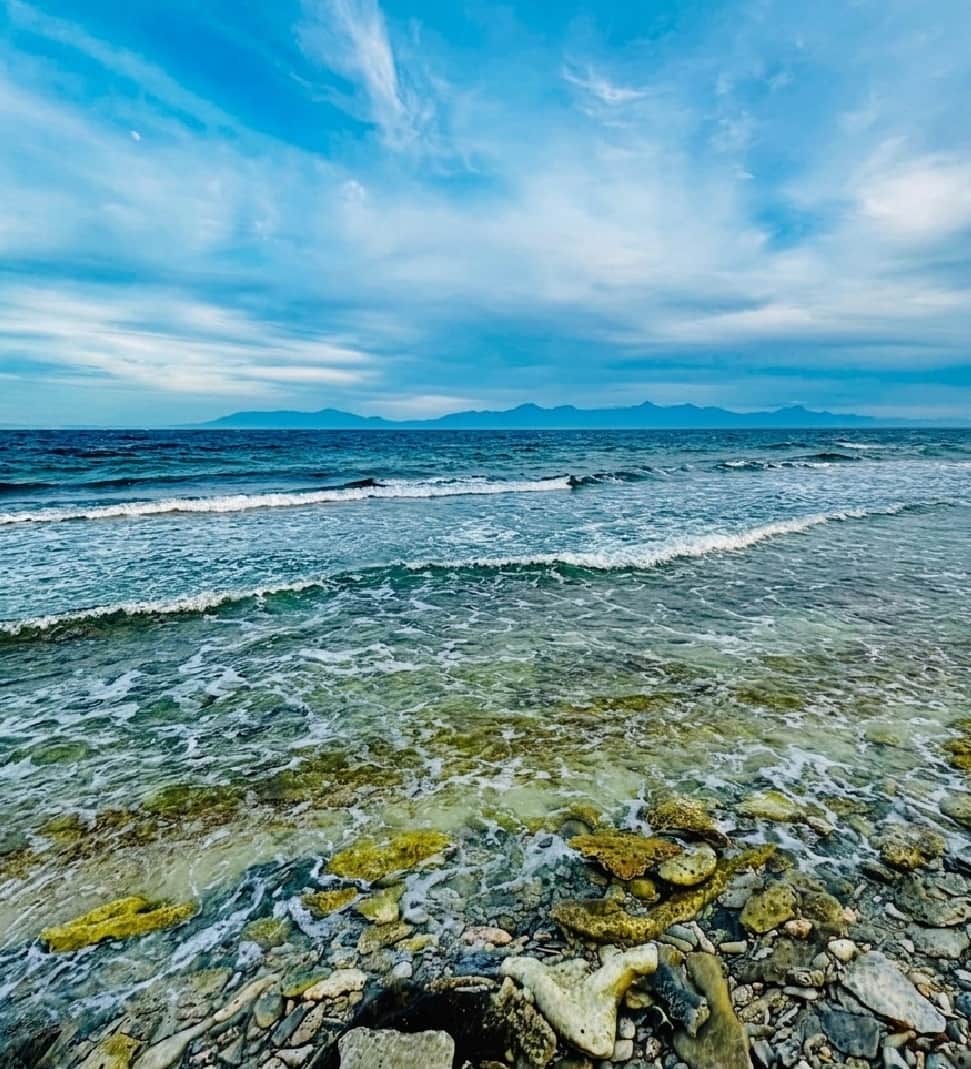
Where the trail meets the water's edge, our shallow flats drop off into an underwater paradise populated by essential corals and marine life.
- Brain Coral: Living up to its name perfectly, this slow-growing hard coral forms giant, rounded domes covered in deep, winding valleys that look exactly like a human brain.
- Elkhorn Coral: An incredibly vital reef builder. It features thick, wide, flattened branches that look like elk antlers. These heavy structures face directly into incoming waves, absorbing the rough energy of the sea to protect our shoreline.
- Staghorn Coral: The slender, elegant cousin to the Elkhorn. It forms dense, tangled thickets of golden-brown branches that look like deer antlers. These underwater forests act as the ultimate nursery, giving tiny baby reef fish a safe place to hide.
- Queen Conch & Sea Snails: Moving slowly through the underwater seagrass beds just off the trail, you will find heavily textured marine snails and the iconic Queen Conch. These large mollusks act as the ocean's cleanup crew, peacefully grazing on algae to keep the reef clean and healthy!
🦎Animals on Land & In the Air (Fauna)
The island's coastal woods, skies, and mangrove swamps are packed with unique wildlife, ranging from heavy-armored crabs to magnificent aerial hunters.
Birds of the Coast
Utila is a major highway for migrating birds and a permanent haven for many others. Look up to see bright Yellow Warblers zipping through the trees, magnificent Frigatebirds soaring high in the clouds, and Turkey Vultures gliding effortlessly over the canopy. You will also hear the
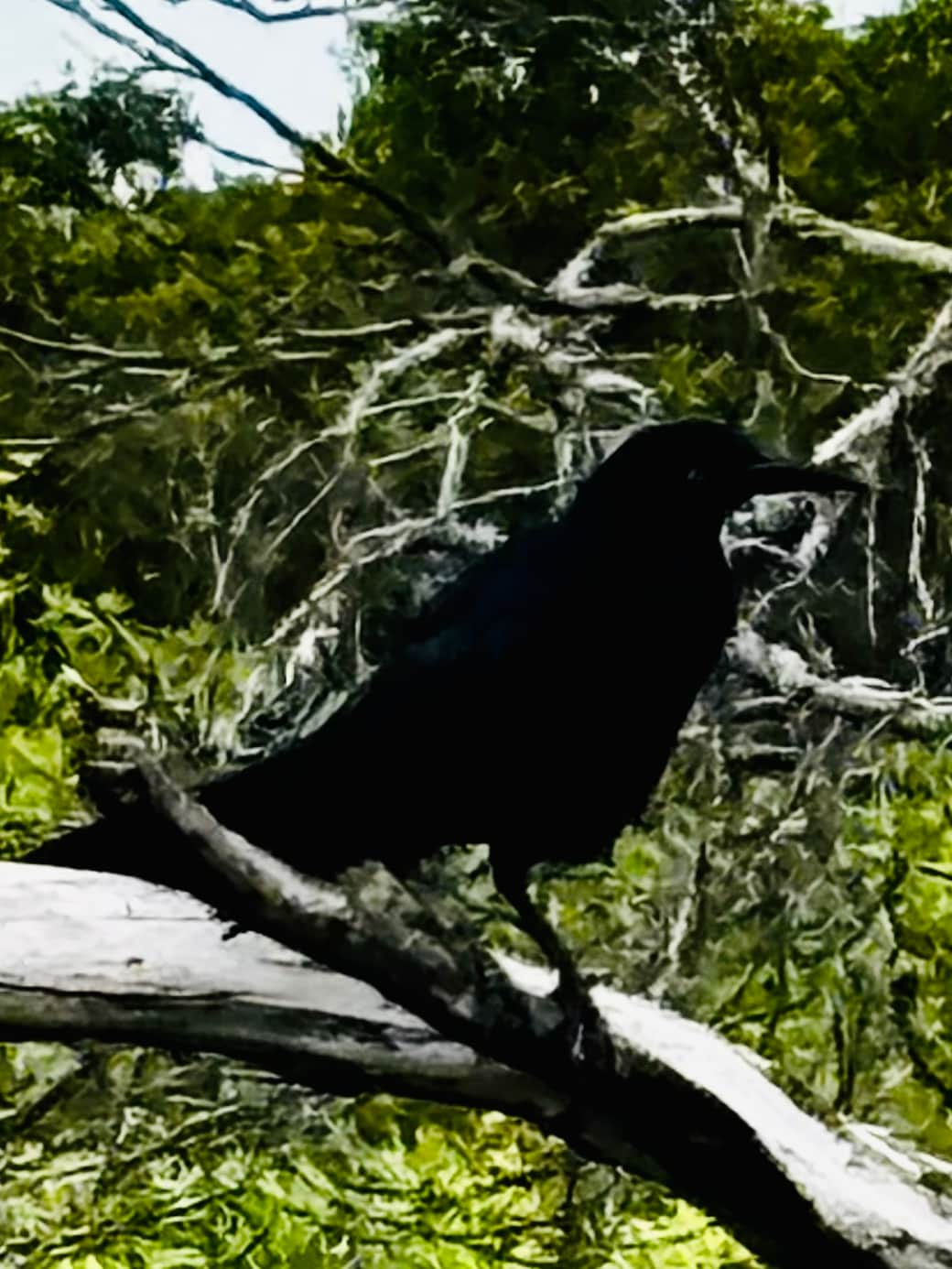
Great-tailed Grackle
Universally known on the island as the "Ching-Ching" because of the incredibly loud, squeaking, mechanical songs they sing. The glossy black males are extremely bold, while the females are a quiet, plain brown.
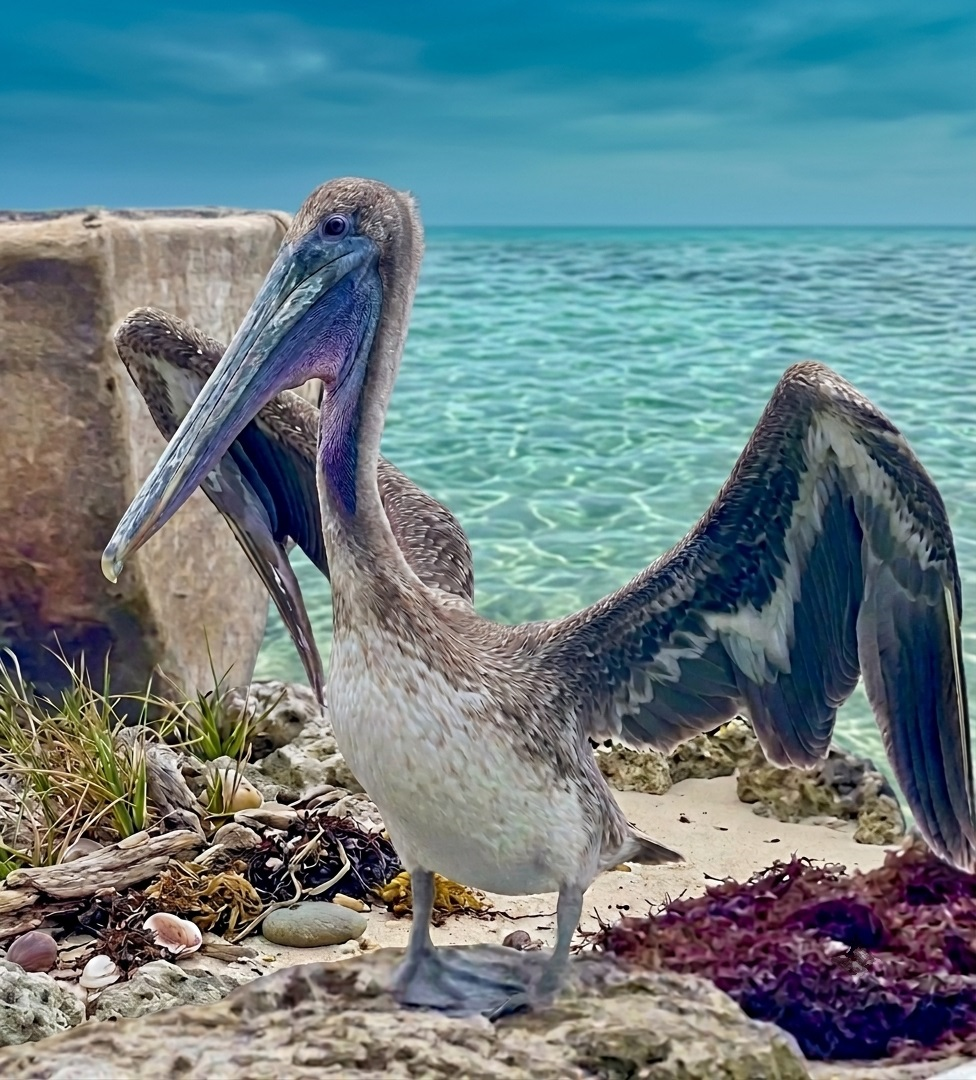
The Brown Pelican
Watching a Brown Pelican glide just inches above the ocean waves right in front of our reef is an unforgettable sight.
- The Silhouette: These are massive birds with wingspans up to 7 feet wide. In the air, they tuck their necks back against their shoulders, giving them a heavy, ancient look.
- Plunge-Diving: They cruise high above the water looking for schools of small fish, then tilt down and dive headfirst into the sea! To survive the high-speed impact, they actually inflate hidden air sacs under their skin like a bubble-wrap cushion.
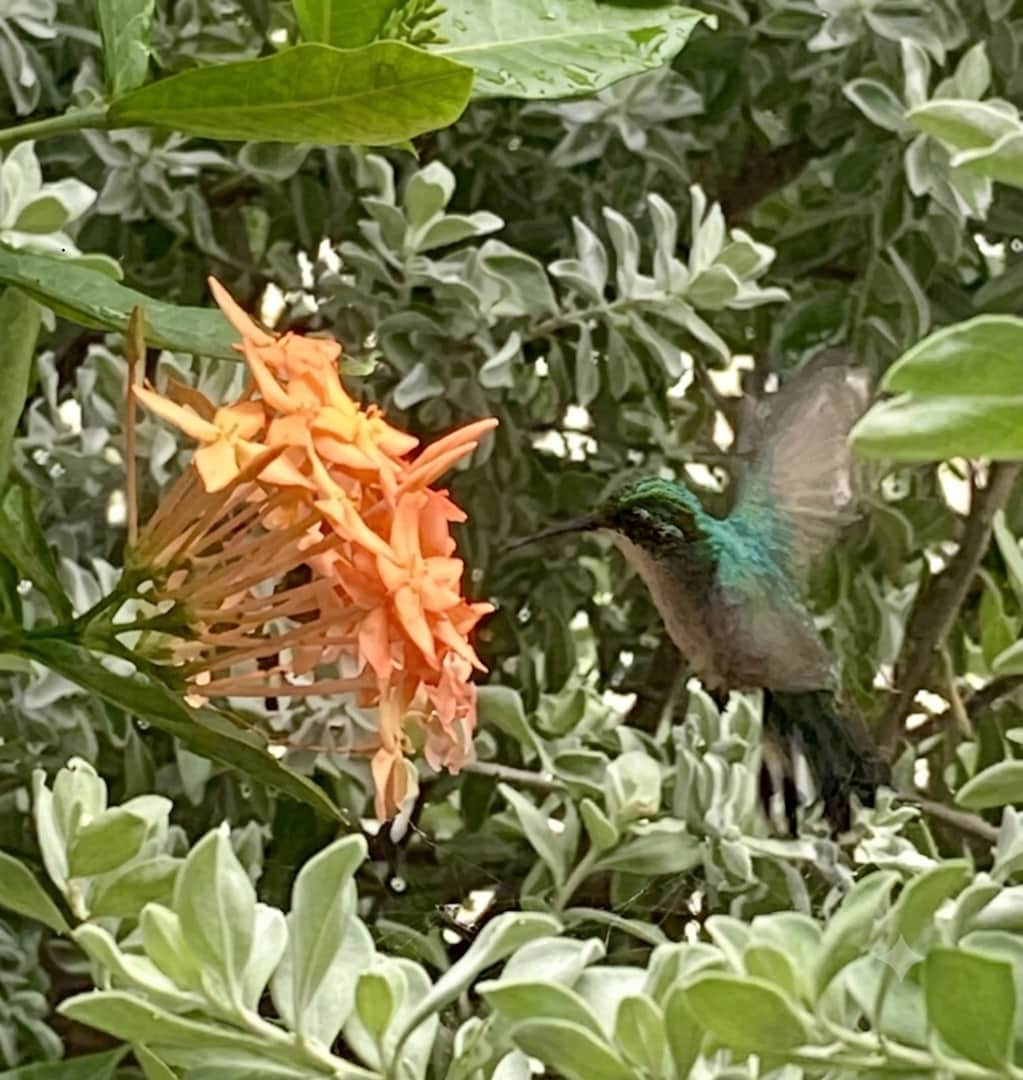
Tiny Helicopters: Hummingbirds
- Rufous-tailed Hummingbird: The most common and feisty bird on the trail. They have a green body, a coppery-red ("rufous") tail, and will aggressively defend their favorite flowers.
- Green-breasted Mango: A much larger hummingbird with a heavy, curved black beak. The males have a deep, velvet-black stripe running straight down their chest.
- Winter Visitors: From October to March, tiny Ruby-throated Hummingbirds drop by to rest and refuel in the Caribbean warmth after flying all the way across the Gulf of Mexico!
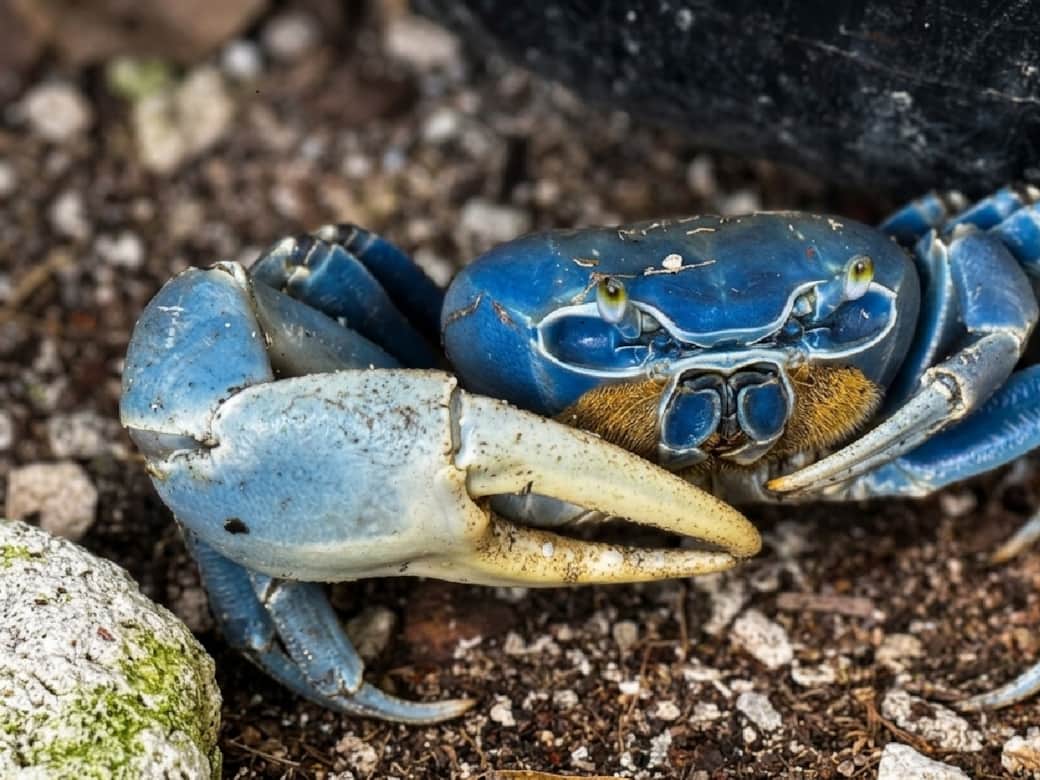
Blue Land Crab
These large, prehistoric-looking land crabs dig deep tunnels in the damp island mud along the trail. They have a beautiful, bluish-gray color, but they are most famous for their mismatched claws—one stays normal-sized, while the other grows into a massive tool for defense. During their breeding season, you might see them marching toward the shore to lay their eggs in the sea.
The Utila Swamper
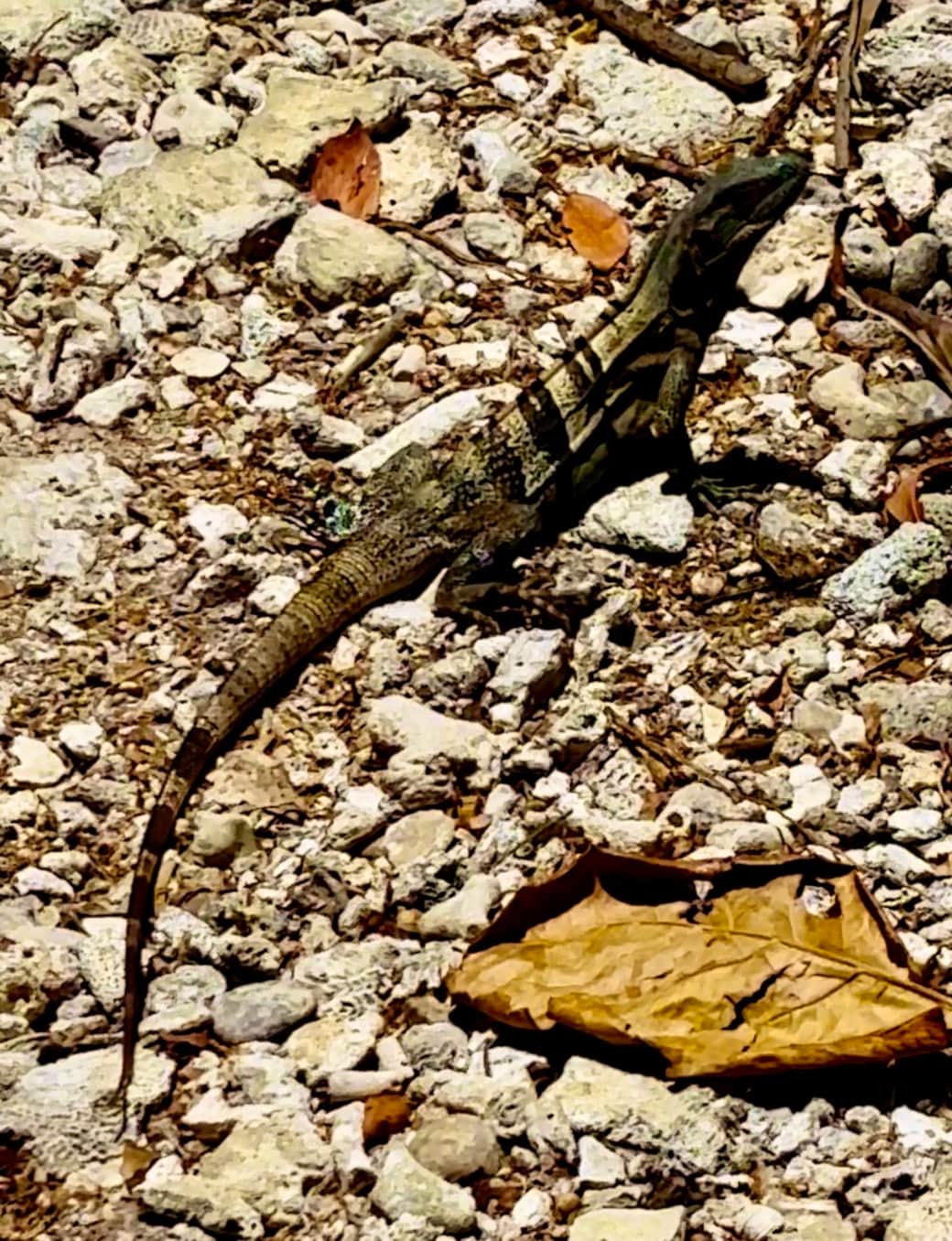
While you will see plenty of common green iguanas basking around the sunnier spots of the property, keep a sharp eye out for the Utila Swamper (Ctenosaura bakeri). This rare, spiny-tailed iguana is critically endangered and lives only on our island! They love to camouflage perfectly against the tangled roots of the mangrove trees.
Making a splash
Names given to places usually fall into two categories: the historic and the poetic. But Oar Park belongs to a third, much rarer category—the accidental monument. It didn’t get its name from a town committee or a mapmaker. It got its name from a silent messenger.
The Discovery at Quatro Vista
When you look out from the beach of Quatro Vista, the ocean seems infinite. It is a horizon that takes things away and, only on rare occasions, gives them back. On an ordinary day, among the tangled seaweed, this particular oar washed ashore.
To a passing stranger, it looked like common driftwood—bleached by the salt, weathered by the sun, and beaten by the surf until its edges were soft and grey. It looked like something the sea had broken and discarded. But when you looked closer, it revealed its secret: a single, hand-carved letter “K.”
The Sanctuary of Those Finding Their Way
That single letter transforms a piece of marine debris into an artifact of human intention. It tells us that this oar didn't just belong to a boat; it belonged to a person. We don’t know where “K” started, or what storms they weathered. We only know where their journey brought them.
In this way, Oar Park is a sanctuary.
As humans, we are all navigating turbulent waters, trying to find our way through life's unpredictable currents. We get tossed around, we get drifted off course, and sometimes we feel as worn down as weathered wood. But sanctuary isn't about avoiding the storm—it is about finding the safe harbor after it.
Just as Melora and David found their way to this place, anchoring their lives in its beauty, “K” landed here too.
A Shared Harbor: “Oar” Park is “Our” Park
There is also a beautiful, quiet truth hidden within the name itself—a poetic pun spoken aloud. In English, the words “Oar” and “Our” sound exactly the same. What began as a monument to a single, lost artifact is transformed by language into a declaration of community. It is Our Park.
Naming this space Oar Park is a profound act of grace. It recognizes that Quatro Vista is a gathering point for paths that were destined to cross. Whether you arrived here by choice, by a twist of fate, or carried by the tide like the oar itself, you have found solid ground.
Oar Park stands as a beautiful tribute to resilience and belonging. It reminds every visitor that no matter how far you have drifted, or how weathered you might feel by your journey, this shore belongs to all of us—and there is always a place waiting to welcome you home.
